

Сhoicer Voicer review
Choicer Voicer is the kind of game that sneaks up on you. At first glance, it looks like a small, playful idea built around voice choices and simple decision-making, but once you spend time with it, you realize there is more going on under the hood. As someone who has played everything from tight indie oddities to massive open worlds, I appreciate when a game does one thing with confidence instead of trying to be all things at once. Choicer Voicer fits that mindset well. It is focused, quirky, and built around a concept that can be genuinely fun if you enjoy experimenting, reacting fast, and seeing how your input changes the flow of a run.
What stood out to me most is that the game does not overcomplicate its premise. You are not buried in endless systems, and that is a strength. Choicer Voicer wants you to engage with its core loop quickly, make decisions, and adapt. That gives it a lighter, more immediate feel than many modern releases that ask for hours before they become interesting. If you are looking for something you can download, install, and play without a long learning curve, this is the sort of title that earns attention right away.
A small idea that actually carries weight
The best word I can use for Choicer Voicer is responsive. The game seems designed around player input in a way that gives each session a slightly different shape. Even when the structure is simple, the presentation makes the choices feel like they matter. That is important, because a game of this type lives or dies by whether repeated runs stay fresh. Here, the rhythm of selecting, reacting, and moving forward helps keep the experience from turning stale too quickly.
There is also a charm to how direct it feels. Some games hide their fun behind tutorials, menus, and layers of unlocks. Choicer Voicer takes the opposite route. It gets to the point, lets you engage, and avoids wasting your time. As a gamer who values clean design, I found that refreshing. It is the sort of release that makes me think, “Yes, this is what a compact indie concept should look like.”
Gameplay that rewards attention more than brute force
The gameplay loop is not about overpowering the system. It is about observing, choosing correctly, and understanding the pattern behind the challenge. That gives the game a more thoughtful tone than you might expect from the name alone. You are not just mashing through prompts; you are learning how the game wants you to interact with its mechanics. That alone gives it more staying power than a lot of disposable browser-style titles.
There is a clear sense that the developers wanted the player to feel involved rather than passive. That matters. The best moments come when you realize your own decisions are shaping the outcome in a way that feels earned. If you enjoy games that ask for a bit of focus instead of pure reflex, Choicer Voicer lands in a satisfying middle ground. It is accessible, but not mindless.
For players who like to tweak experiences, search for cheats, or experiment with mods, this is one of those games where the community angle could matter a lot depending on the version and platform. That said, I would strongly recommend trying the base game first before looking for altered versions. The original structure is where the charm lives.
Presentation: modest, but intentionally shaped
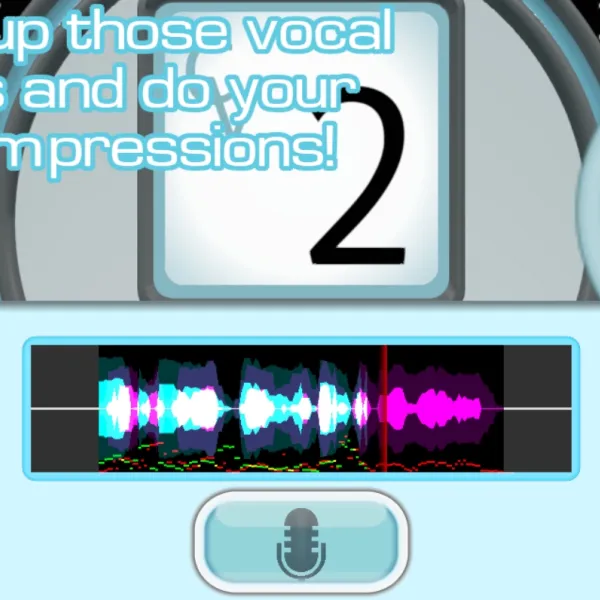
Visually, Choicer Voicer does not try to impress with scale. Instead, it leans on clarity and personality. That is often a smarter move for a game built around choices, because the interface has to stay readable and the feedback has to be immediate. In that regard, the game does its job well. The look is clean enough to keep you oriented, and the style helps reinforce the playful tone without getting in the way.
Sound design matters a lot here, too. Since the game clearly places some emphasis on voice-related interaction, audio becomes part of the identity rather than background dressing. When a game is built around a spoken or voice-guided concept, sloppy sound work can ruin the experience. Here, the sound direction helps the game feel cohesive. It does not just exist to fill silence; it contributes to the atmosphere and the pacing.
Who will enjoy it most?
Choicer Voicer will likely appeal most to players who enjoy experimental indie games, decision-based systems, and short-form sessions that can be picked up quickly. If you prefer lengthy campaign games with complex upgrade trees, this may feel too light. But if you like clever concepts, quick repetition, and games that respect your time, it has a real chance to stick with you.
I also think it suits players who enjoy browsing lesser-known titles across different platforms and looking for something outside the usual big-budget conversation. Sometimes the most memorable games are not the largest ones; they are the ones with a clear identity. Choicer Voicer has that identity. It knows what it is, and that confidence helps it stand out.
Performance, accessibility, and replay value
On the performance side, the game should be approachable for a wide audience, especially if it is built for lighter hardware or compact sessions. That is good news for anyone hoping to download it on a modest PC or try it on mobile-friendly platforms. Games like this tend to benefit from broad accessibility because they are easier to share, stream, and revisit. The less friction there is, the easier it is for players to return.
Replay value depends on how much variation the game supports, and that is where Choicer Voicer’s concept matters. If the choice structure opens different outcomes, then multiple runs become part of the appeal. If not, the game still has value as a short, polished experience. Either way, it is the type of title that feels best in manageable sessions rather than marathon play. That is not a flaw; it is part of the design.
One point in its favor is how naturally it fits the kind of game someone might want to install and check out without a massive commitment. That lowers the barrier to entry. You do not need a gaming PC with a monster setup, and you do not need hours to see whether the idea works. You can tell pretty fast whether the style clicks for you.
Verdict: a compact concept with real personality
Choicer Voicer is not trying to be a giant statement piece, and that is exactly why it works. It is focused, accessible, and distinct enough to leave an impression. The game understands the value of a strong central idea and builds around it without padding. In a market full of overstuffed releases, that restraint is appealing.
If you are the kind of player who likes to download unusual indie titles, play something that is easy to jump into, and explore a game with a clear identity, Choicer Voicer is worth your time. It may not be for everyone, especially if you want deep progression or high-intensity action, but it delivers on its own terms. For me, that is enough to recommend it as a smart pick for players who appreciate concise design and a game that knows exactly what it wants to be.
Score: 8/10
How to download Choicer Voicer
Availability & Launch: Choicer Voicer can typically be accessed through its official storefront or project page, and availability may vary by region. In some cases it may be free, while other builds may require a one-time purchase or be offered as a free download during promotions.
Platforms: Check the official listing for supported platforms before you install. If it is not available on your preferred device, the game may still be playable through cloud services, PC emulation, or browser-based access depending on the version. Unsupported platforms should be treated as unavailable unless the publisher states otherwise.
Install: After you download the game, follow the store prompts, approve permissions if needed, and complete the standard install process. On PC, launch from the client or executable. On Android, install through the app store or APK only if it comes from a trusted source.
System Requirements: For PC, expect light minimum specs such as a modern dual-core CPU, 4 GB RAM, integrated graphics, and basic storage space. On Mac, a recent macOS version and modest RAM should be enough. On Android, a mid-range device with updated OS support is usually sufficient.
Cheats / Mods: Cheats and mods are not always officially supported. If community mods exist, use them carefully and only from trusted sources. Some versions may disable modified files or block cheat tools.
Unblocked Access: Whether it works in school or work environments depends on network restrictions and platform rules. If the game is browser-based or cloud-accessible, it may run unblocked in some places, but many networks will still restrict it.
Pros:
- Easy to pick up and play with a simple learning curve.
- Focused core concept that avoids unnecessary complexity.
- Short-session gameplay makes it convenient for quick breaks.
- Choice-driven structure adds replay value and variety.
- Clean presentation keeps the experience readable and accessible.
- Strong personality and charm help it stand out from generic indie titles.
Cons:
- May feel too light for players who prefer deep progression systems.
- Limited scope could reduce long-term engagement for some users.
- Replay value depends heavily on how much variation the choices actually create.